

Breakthrough Announcement UpdatedOctober 20, 2026 As the Artificial Intelligence (AI) tsunami continues to gain momentum, it is forcing universities with large engineering and computing programs to make an immediate radical shift from decades of lectures and other forms of passive learning to student-centered active learning. Texas State University College of Science and Engineering (TXST) in San Marcos, Texas has begun the Start-up and Development Phase for its decision whether to be the lead university for the proposed TUEE Collaboratory initiative, the first comprehensive national pilot designed to transform undergraduate education in engineering/computing (TUEE) at large universities. TXST is in the process of inviting major technical companies in the Austin/San Antonio area to be Strategic Corporate Partners (SCPs) in the two-year pilot project through May 2028. TXST Alumni working for each SCP would establish an informal alumni chapter with each company by the end of fall 2026 semester. Alumni would complement faculty as coaches, mentors and providers of domain expertise to undergraduate students (first year through fourth year) that participate in the pilot project. This breakthrough process enables TXST to be the first large university nationally to deliver interdisciplinary, student-centered, team-based, open ended problem solving and active project learning while faculty can focus on teaching theory and conducting research. By November 17, 2026, TXST and its SCPs will decide whether to proceed with conducting the Development Phase through the balance of the 2026-2027 academic year. During the Development Phase, all essential transformational elements will be established in preparation for implementing the full comprehensive pilot in AY 2027-2028. It is anticipated that at least one additional large university in the southwest and western states will join TXST as a lead university for this proposed nationwide project. Details and announcements will be made periodically on this temporary website. |
The reemerging national movement to transform undergraduate education in engineering (TUEE) requires an immediate radical shift from lectures and other forms of traditional passive student learning without placing additional demands on current faculty. The TUEE Collaboratory features a highly collaborative student-centered active learning model that features interdisciplinary, team-based, open-ended problem solving and project learning involving real-world situations, often with real customers and real potential employers, throughout the undergraduate experience. All TXST students participating in the Development Phase through May 2027 would be Deans List Achievers with 3.25+ GPAs. Third year industry sponsored design projects will be introduced during the 2027 spring semester to enable a four-year academic design spine to be introduced while implementing the comprehensive pilot in the 2027-2028 academic year.


The Solutions
Operating Framework | Innovative Features | Strategic Corporate Partners

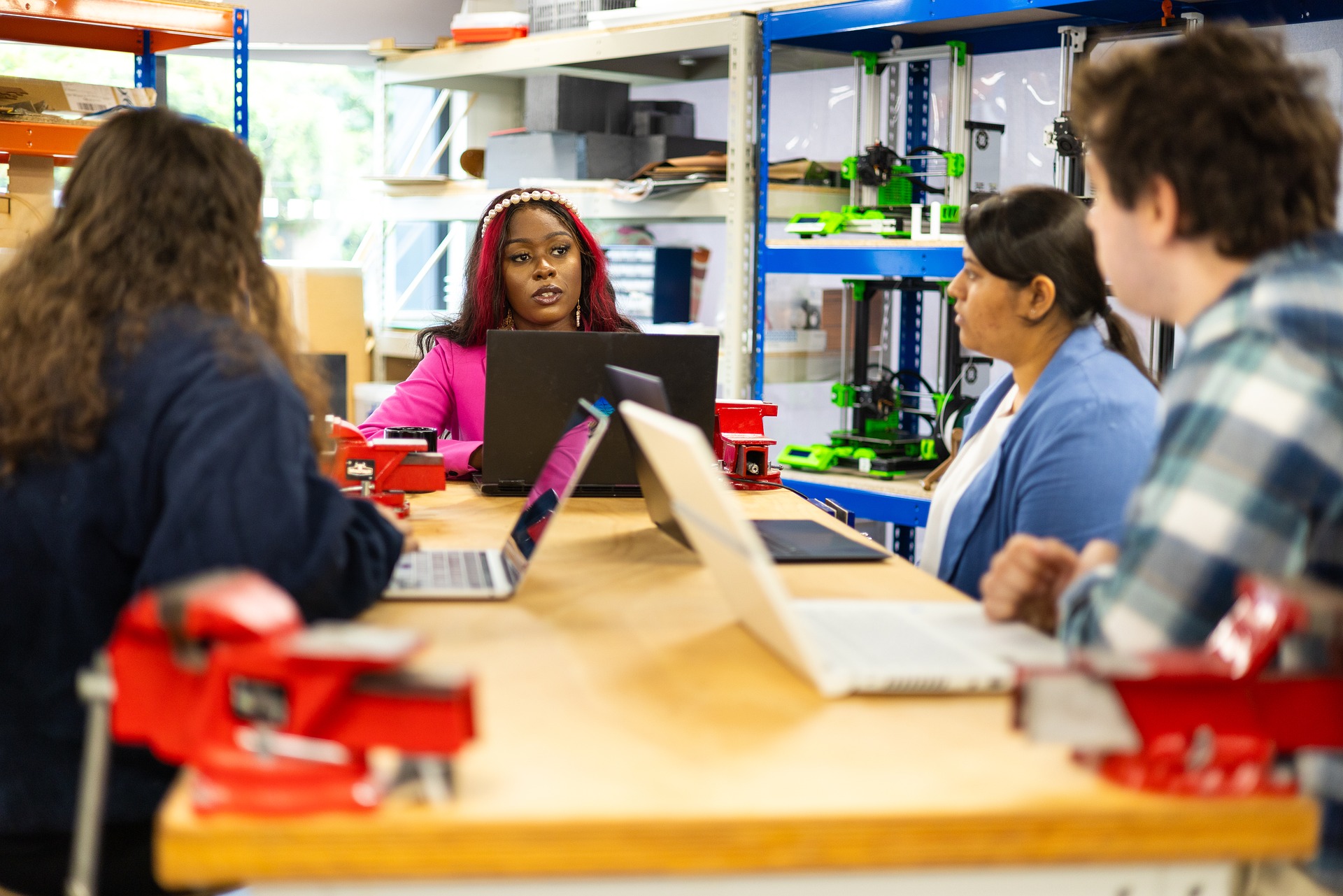
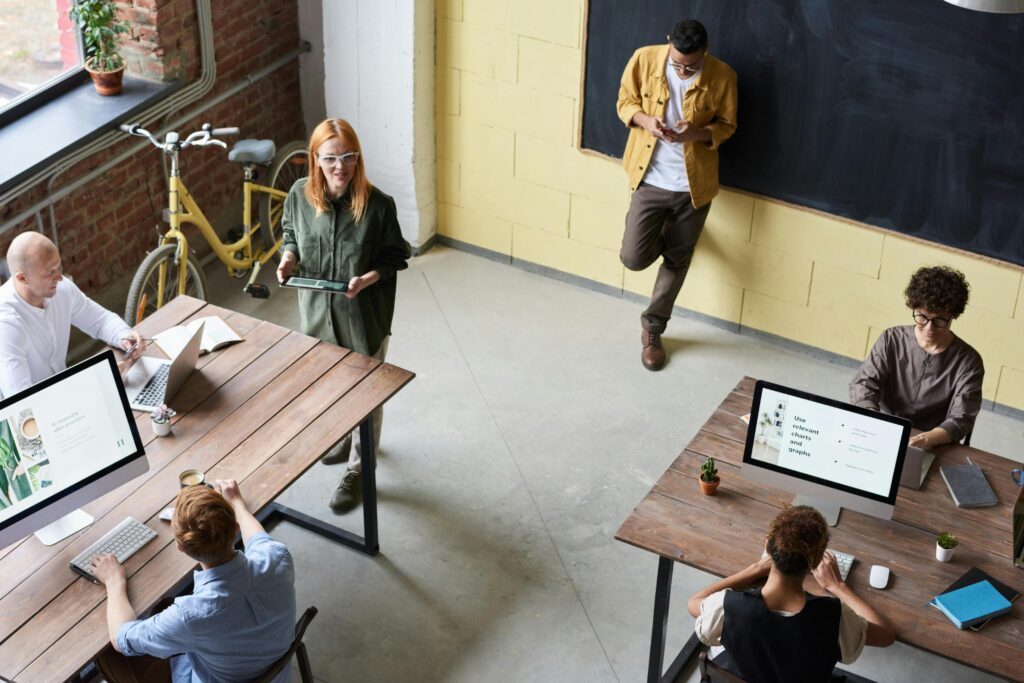
Student Professional Practice Scholars (SPPS)
The SPPS cohort provides the student teams for all student-centered projects, programs, activities and events beginning with the spring term 2027 which includes the introduction of industry-sponsored, open-ended, third-year design projects. All students participating in the Development Phase through May, 2027, will have 3.25+ GPAs. The size of the SPPS cohort would be scaled accordingly throughout the two-year transformation project to be completed in May 2028. The TUEE Collaboratory model is designed so that each student participates in a wide variety of interdisciplinary student-centered team based open-ended problem solving activities and design projects throughout their undergraduate experience. Students would develop and acquire the required technical and soft skills to enter their chosen professional workplace as a practicing engineer / computer scientist. Employers would be alleviated from the perception that addressing the decades long two-years skills gap is a necessary ongoing cost of doing business.
No Disruption of Current Academic Programs
Except for the four-course academic design spine, the TUEE Collaboratory model is a large student-centered experiential education program with no changes required by The University in currently planned academic programs, courses, activities or events throughout the entire two-year proposed project. Only a few faculty and volunteer students will participate at any given time. Student leaders will be paid for approximately 12 hours per week.